





Jomga Tea

How to Prepare White Tea: A Complete Beginner-Friendly Guide

White tea is one of the simplest teas to prepare, yet many people still wonder about the right water temperature, steeping time, and techniques needed to bring out its delicate flavour. If you are new to white tea, the good news is that making it is easier than preparing most other teas. All you really need is clean hot water, high-quality white tea leaves, and a little patience. In this guide, you will learn how to prepare white tea step by step, understand why water temperature matters, how long you should brew the leaves, and what gives white tea its soft and refreshing taste.

White tea is often appreciated for its natural sweetness and low processing. Compared to stronger teas, like black tea powder, white tea has a lighter aroma. If you enjoy mild flavours or want a soothing beverage without bitterness, white tea is one of the best options.

This guide explains everything in a simple and clear style, so even beginners can make perfect white tea at home.

What Makes White Tea Special?

White tea comes from the young buds and fresh leaves of the Camellia sinensis plant. These buds are simply plucked and gently dried, without heavy rolling or oxidation. Because white tea is processed so lightly, it keeps most of its natural nutrients.

Many tea lovers start with white tea when moving toward healthier beverages. Others explore it after enjoying green tea benefits, since both teas are rich in antioxidants, but white tea has a milder taste.

Before we get into the instructions, you should know one thing: white tea does not require boiling water. Using very hot water can burn the leaves and create bitterness. The key to a good cup is low temperature and slow steeping.

How to Prepare White Tea: Step-by-Step Instructions

Below is a simple guide anyone can follow. Whether you use loose leaves or tea bags, these steps will help you brew white tea correctly every time.

Step 1: Choose Quality White Tea Leaves

The final taste depends greatly on the quality of the tea you choose. Good white tea leaves look fluffy, slightly silver, and have long, unbroken strands. Avoid overly crushed leaves.

People often ask which tea powder is best in India, but when it comes to white tea, whole leaves are usually preferred over powder. Loose-leaf white tea offers a cleaner, softer taste and better aroma.

Step 2: Heat Water to the Right Temperature

White tea should be prepared using water between 70°C and 85°C. Do not boil the water. If you do not have a thermometer, let freshly boiled water sit for one to two minutes before using it. This helps bring the temperature down naturally.

If you use boiling water immediately, the leaves may become bitter.

Step 3: Measure the Right Quantity of Tea

A general rule is to use one teaspoon of white tea leaves for every cup of water. You can adjust the quantity depending on how strong or mild you like your tea.

Step 4: Steep the Leaves Gently

Place the tea leaves in a cup or teapot and pour hot water slowly over them. Let the tea steep for 3 to 5 minutes. White tea opens slowly and releases flavour gradually.

If you want a stronger flavour, do not extend the time too much. Instead, increase the amount of leaves.

Step 5: Strain and Serve

Once the tea is ready, strain the leaves. White tea has a pale golden colour and a gentle aroma. You can drink it warm or at room temperature. Many people enjoy it plain, without sugar or milk.

Unlike some teas that work well with milk—such as chai prepared using guides like how to make tea with milk powder—white tea is best enjoyed without milk because milk can mask its delicate natural taste.

Understanding the Subtle Art of White Tea Brewing

Although white tea is easy to prepare, many small factors affect its taste. Understanding these factors helps you improve each cup.

Choosing the Right Water

Water quality can change the flavour significantly. Clean filtered water is ideal. Hard water or water with strong mineral taste can overpower the mildness of white tea.

Steeping Time Matters

Unlike bold teas such as black tea powder blends, white tea needs slow extraction. If you steep it too little, the flavour may be too weak. If you steep it too long, it may become slightly bitter.

Most people prefer:

  • 3 minutes for a soft taste

  • 4 minutes for balanced taste

  • 5 minutes for stronger flavour

Why White Tea Does Not Need Milk or Sugar

White tea already has light sweetness and floral notes. Adding milk changes its natural character. Sugar is optional, but many prefer to enjoy it plain.

Types of White Tea You Can Prepare

White tea comes in several varieties, each offering a slightly different flavour. When you learn how to prepare white tea properly, you can experiment with these types.

Silver Needle

This is the highest grade of white tea, made only from young buds. It has a mild and refreshing taste.

White Peony

Also called Bai Mudan, this type includes both buds and leaves. It has a stronger flavour compared to Silver Needle.

Shoumei

This is a later-harvested white tea with a deeper and more robust taste.

Tips to Make the Perfect White Tea Every Time

Do Not Use Boiling Water

Boiling water burns the leaves and removes the natural sweetness.

Use a Glass or Ceramic Teapot

Metal containers can affect flavour.

Do Not Rush the Steeping

White tea needs time to open up.

Reuse the Leaves

High-quality white tea leaves can be re-steeped two to three times. Each infusion tastes slightly different.

Health Benefits of White Tea

Many people drink white tea not only for taste but also for wellness. It is rich in antioxidants, supports hydration, and offers calming effects. If you enjoy learning about the wellness side of teas, you may also explore green tea benefits.

Some key benefits include:

  • Supports skin health

  • Helps protect cells from damage

  • Has anti-inflammatory properties

  • Offers mild energy without caffeine crashes

Common Mistakes to Avoid When Preparing White Tea

Using Too Much Tea

This can make the taste overpowering.

Steeping for Too Long

Bitterness develops if steeped beyond 5 minutes.

Adding Milk

It hides the subtle flavours.

Using Flavoured Water

Purity is important for white tea.

White Tea vs Other Popular Teas

White tea differs from other teas because of its lighter processing. Black tea, often used in chai, has a much stronger, oxidized flavour. For example, those who enjoy the strength of black tea powder blends may find white tea more subtle.

Green tea, known for its many health benefits such as the several green tea benefits people often read about, has a more grassy flavour compared to the floral taste of white tea.

White tea works well for people who prefer low-caffeine drinks or want a calming beverage.

Final Thoughts: Brewing a Perfect Cup of White Tea at Home

Preparing white tea is a simple process, but doing it correctly helps you experience its pure taste, natural aroma, and wellness benefits. Whether you enjoy herbal flavours, are exploring lighter teas, or are transitioning from stronger teas like black tea or milk tea blends such as those made using guides like how to make tea with milk powder, white tea is an excellent choice.

White tea offers a gentle refreshing taste that suits any time of the day. With the right leaves, proper water temperature, and careful steeping, you can make a cup that feels soothing, calming, and perfectly balanced.

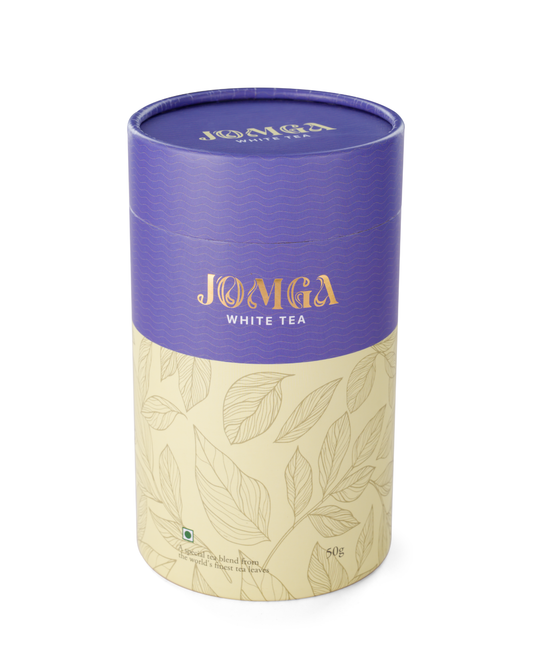
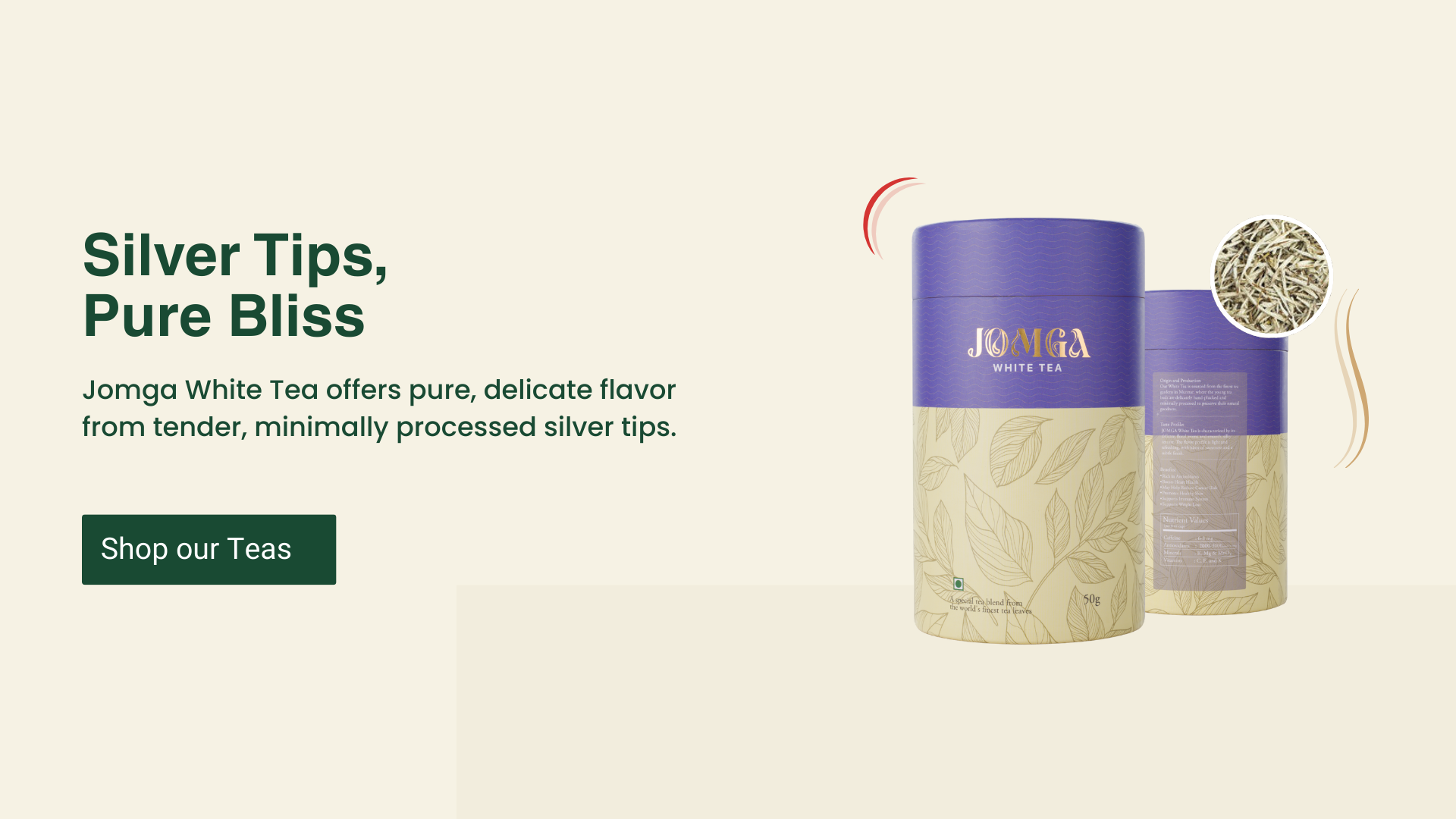
Now that you know how to prepare white tea the right way, explore premium tea products and learn more tea-making techniques at Jomga Tea. Enhance your tea experience with high-quality, hand-selected teas crafted for true tea lovers. Visit JomGa Tea today and start brewing better, healthier, and more flavourful cups at home.

Frequently Asked Questions (8 FAQs)

1. How do you prepare white tea correctly?

Use water at 70–85°C, steep for 3–5 minutes, and avoid boiling water. This brings out the natural sweetness.

2. Can white tea be made with milk?

No, milk is not recommended because it covers the delicate flavour.

3. Is white tea stronger than black tea?

No, white tea is milder and less oxidized, unlike black tea powder blends which have a bold flavour.

4. Can we add sugar to white tea?

Yes, but most people prefer drinking it without sugar.

5. How many times can I reuse white tea leaves?

You can re-steep high-quality white tea leaves 2 to 3 times.

6. What does white tea taste like?

It tastes light, slightly sweet, floral, and refreshing.

7. Does white tea have caffeine?

Yes, but in very small amounts.

8. Is white tea healthier than green tea?

Both are healthy, but white tea is less processed and may retain slightly more natural antioxidants. You can also check green tea benefits to compare further.

0
    0
    Your Cart
    Your cart is emptyReturn to Shop
    Shopping cart close